
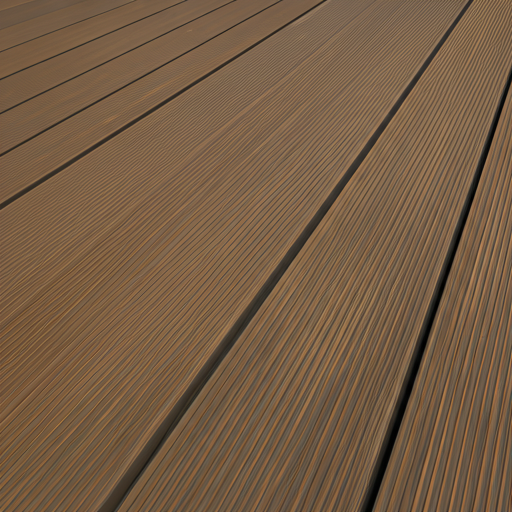
If you've lived in Burien for more than one Pacific Northwest winter, you already know what a deck is up against. The rain that starts in October and rarely lets up until June, the salt air drifting in from Puget Sound, the moss that seems to appear on any horizontal wood surface within weeks of installation — these are not abstractions. They are the real conditions your deck will spend most of its life in. And they are the reason that choosing the wrong builder, the wrong material, or the wrong design can turn a $15,000 investment into a rotting liability inside a decade.
Burien sits in the southwest corner of King County, tucked between Des Moines to the south, White Center to the north, and the Puget Sound shoreline to the west. It is a city of real topographic variety — flat lots near 1st Avenue South, steeply sloped properties dropping toward the water in Three Tree Point and Marine Hills, and hillside parcels throughout the Boulevard Park and Gregory Heights neighborhoods that demand thoughtful structural engineering before a single post goes in the ground. Building a deck here is not the same as building one in a flat inland suburb, and any contractor who treats it that way is already behind. This guide is written by builders who work in South King County year-round. Everything here reflects what we actually see on the ground — the permit requirements, the real cost numbers, the material failures and material victories — so that you can go into your project with accurate information rather than marketing promises.
Why Burien Homeowners Are Building Decks in 2026
The residential deck market in the greater Seattle area has been one of the few remodeling categories that held steady through the economic turbulence of the last several years. According to the National Association of Realtors Remodeling Impact Report, outdoor living additions — decks chief among them — consistently rank among the highest-ROI projects homeowners can undertake, both for lifestyle value and resale recovery. In a market like Burien, where lot sizes are often modest but outdoor views can be substantial — you get a lot of Puget Sound sightlines in Marine Hills and along Three Tree Point Boulevard — a well-built deck does double duty as functional living space and a genuine selling point.
But the motivations in Burien specifically go beyond national trends. The city has been undergoing a quiet but steady transformation. Longtime homeowners in neighborhoods like Shorewood, Sunnydale, and Boulevard Park who purchased in the 1990s or early 2000s are now sitting on properties with significant equity, and many are choosing to reinvest in their homes rather than trade up into a market where replacement housing costs far more. A deck addition on a Burien home built in 1975 is often the single highest-impact upgrade available — it changes how the home functions, how it shows, and how it competes if it eventually goes to market.
The Outdoor Living Shift Is Real — and Lasting
The post-2020 shift toward outdoor living space was well documented, and in the Seattle metro it was amplified by the fact that Pacific Northwesterners already spend considerable mental energy thinking about how to make use of their outdoor space despite the climate. What changed was urgency and budget allocation. Homeowners who might have tolerated a deteriorating pressure-treated platform for another five years started calling contractors. Contractors in South King County saw backlogs stretch from weeks to months.
By 2026, some of that surge has normalized, but demand remains elevated above pre-2020 baselines. What has changed is that homeowners are better informed — or at least they think they are. The proliferation of deck cost calculators, material comparison articles, and contractor review sites means Burien homeowners come to the first consultation with more data than they used to. Sometimes that data is accurate. Often it reflects national averages that don't apply to a King County hillside lot, or it quotes material prices without the labor, permit, and engineering costs that dominate a real South King County project budget.
Burien's Housing Stock Creates Specific Demand
Burien's housing stock skews toward mid-century builds on lots that were not designed with outdoor entertaining in mind. The original backyard of a 1962 ranch house on a sloped Marine Hills lot might be a steep descent to a lawn that never quite dries out. A well-engineered deck — elevated at the house level, with proper drainage underneath, and materials that don't trap moisture — transforms that space into something actually usable. This is not a luxury renovation for most Burien homeowners. It is the difference between having a backyard and not.
Three Tree Point and the lots that run along the Puget Sound shoreline present a different case: these properties often have existing decks that were built in the 1980s or 1990s with pressure-treated lumber that is now at or past its useful life. Replacement — not addition — is the most common project type we see in that corridor. Salt air accelerates the degradation of wood decking and metal fasteners, which is why composite decking with stainless steel or hidden fasteners is the right choice for waterfront Burien properties regardless of the upfront cost premium.
Note
Burien Deck Permits: What You Need to Know Before You Build
Skipping the permit process is the single most expensive mistake a Burien homeowner can make on a deck project. We see it every few years: a homeowner buys a house that has an unpermitted deck, the home inspection flags it, and the transaction either falls apart or requires the seller to either pull a retroactive permit (expensive and complicated) or tear the structure down. The permit process exists to protect you, not to create bureaucratic friction, and in Burien it is straightforward if you know what you are dealing with.
When a Permit Is Required in Burien
In Burien — as throughout the greater Seattle metro — a building permit is required for any deck that is:
- Attached to the primary residence
- More than 18 inches above grade at any point
- More than 200 square feet in area (in some jurisdictions; check current Burien rules)
This captures the vast majority of deck projects. A small, freestanding, ground-level platform in a backyard might fall under the permit threshold, but as soon as you attach it to the house, add stairs, or build anything of meaningful scale, you are in permit territory. Our standing advice: pull the permit. The cost and time involved are minor compared to the liability of an unpermitted structure, and in King County's real estate market, unpermitted work is a serious disclosure issue.
All Burien deck permit applications must be submitted through MyBuildingPermit.com, the regional consortium portal that serves Burien and dozens of other South King County jurisdictions. The City of Burien Permit Center manages the review and inspection process, and the City's fee tables are publicly available so you can estimate your permit costs before submitting.
For reference, King County's broader permitting information is available through the King County Department of Local Services, and the City of Seattle's SDCI guidance at seattle.gov/sdci/permits/common-projects/decks provides a useful parallel reference for understanding the regional standard — though Seattle-specific rules do not apply in Burien.
For a complete walkthrough of the permit process specific to South King County, see our detailed guide at /blog/deck-permit-king-county-guide.
What the Permit Application Requires
A typical Burien deck permit application will require:
- A site plan showing the deck location relative to property lines, the house, and any other structures
- Structural drawings or a framing plan showing post locations, beam spans, joist sizing, and connection details
- Footing specifications — size, depth, and bearing capacity
- Railing design if the deck height triggers guardrail requirements (generally 30 inches or more above grade)
- Stair design if stairs are included
The MyBuildingPermit Tip Sheet 5 for Basic Decks is the most useful single document for understanding what the application reviewers will look for. Read it before you submit, or hire a contractor who already knows it cold.
How Long Does Burien Deck Permitting Take?
Plan for two to six weeks for permit review in Burien under current conditions. Complex projects — anything on a steep slope, anything near critical areas like wetlands or shoreline, anything requiring engineered drawings — can run longer. If your lot is in or near a critical area (shoreline lots along Three Tree Point are the most common case), budget additional review time and potentially a geotech report at $1,500–$3,500.
Permit Costs in Burien
Permit fees in Burien are calculated based on project valuation. For most residential decks, you should expect total permit and inspection fees to fall in the $800–$3,000 range. That represents 5–15% of total project cost for a typical deck, which is the standard range across the greater Seattle metro. Budget for it explicitly — it is not an optional line item, and contractors who quote you a price "before permits" are leaving a significant cost off the table.
Important
Choosing the Right Decking Material for South King County's Wet Climate
Material selection is where the long-term cost of a Burien deck is really determined. The upfront price difference between pressure-treated lumber and premium composite decking is real, but it is only part of the calculation. Maintenance costs, lifespan, failure modes in wet conditions, and resale appearance all factor into which material is actually the right choice for a given property and budget. Here is how the main options stack up for South King County conditions.
Pressure-Treated Lumber: The Entry-Level Option
Pressure-treated (PT) southern yellow pine is the least expensive deck material available, and it has a place in the market — but it is not the right choice for most Burien homeowners who are building something they intend to keep. PT lumber is treated with preservatives that resist rot and insects, but in the consistently wet conditions of the Puget Sound lowlands, it requires annual or biennial sealing to maintain its integrity. Without maintenance, PT decking in Burien will begin to check, warp, and gray within two to three years. It will need to be replaced in 10–15 years under typical use.
Installed cost: $45–$70 per square foot in South King County (2026).
This is appropriate for rental properties, short-term project budgets, or situations where the homeowner genuinely commits to ongoing maintenance. It is not appropriate for homeowners who want a low-maintenance outdoor surface, and it is not appropriate for waterfront or near-waterfront properties in Burien where moisture exposure is elevated.
Western Red Cedar: The PNW Mid-Range Choice
Western Red Cedar has a well-deserved reputation in the Pacific Northwest. It is naturally rot-resistant due to compounds in the wood itself, it handles the wet-dry cycling of Puget Sound seasons better than PT pine, and it looks genuinely beautiful — especially in the first few years. Cedar is a legitimate choice for Burien homeowners who want a natural wood aesthetic and are willing to commit to sealing every two to three years.
The honest caveat: cedar in Burien requires maintenance. A cedar deck that is not sealed will gray and soften. After ten years without adequate sealing, the boards will begin to check and the structural life of the decking boards (not the framing beneath) will start declining. For more on cedar maintenance in the PNW context, see our guide at /blog/cedar-deck-sealing-seattle.
Installed cost: $60–$90 per square foot in South King County (2026).
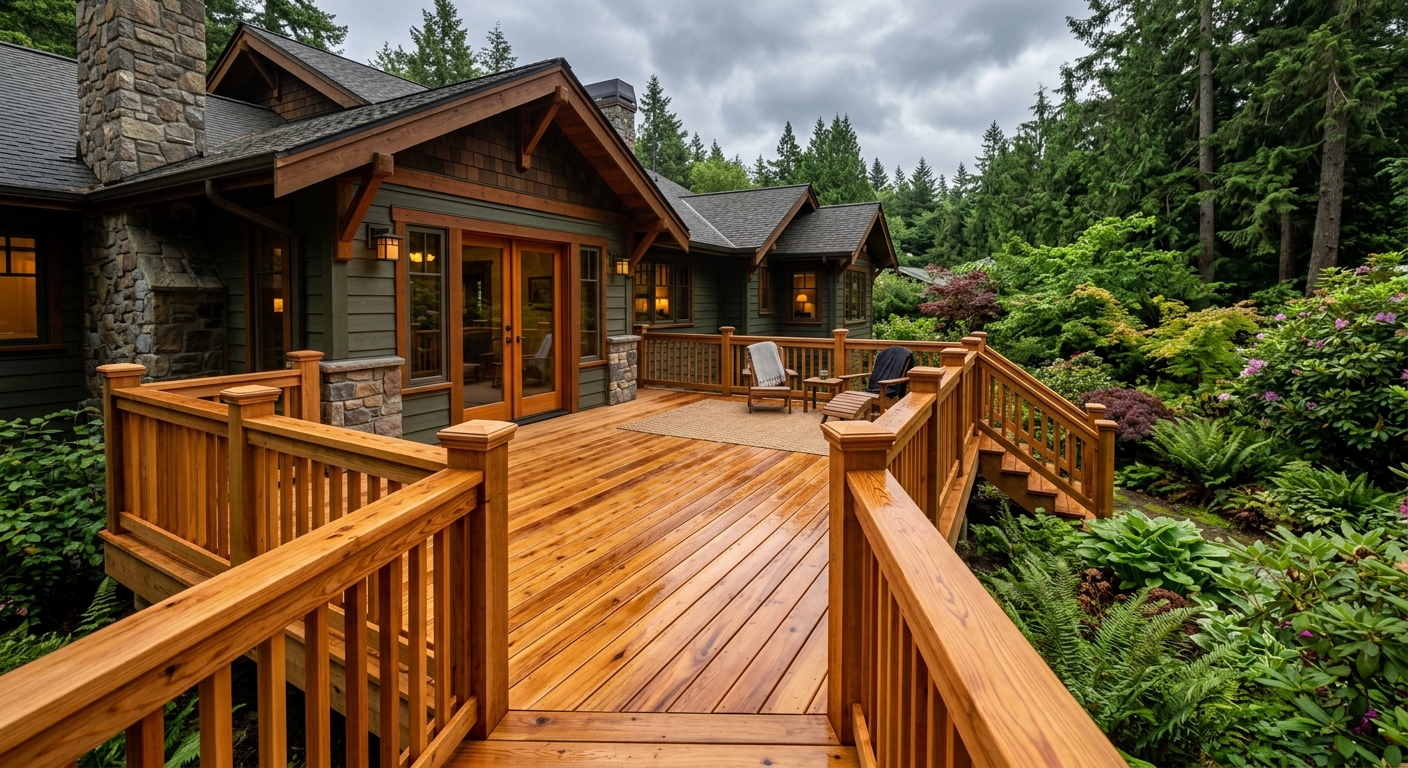
Cedar is the right choice for homeowners who value natural aesthetics, have a realistic maintenance plan, and are not building on a waterfront or salt-exposure site. It is the wrong choice for homeowners who want genuinely low-maintenance outdoor living.
Composite Decking: The Dominant PNW Choice
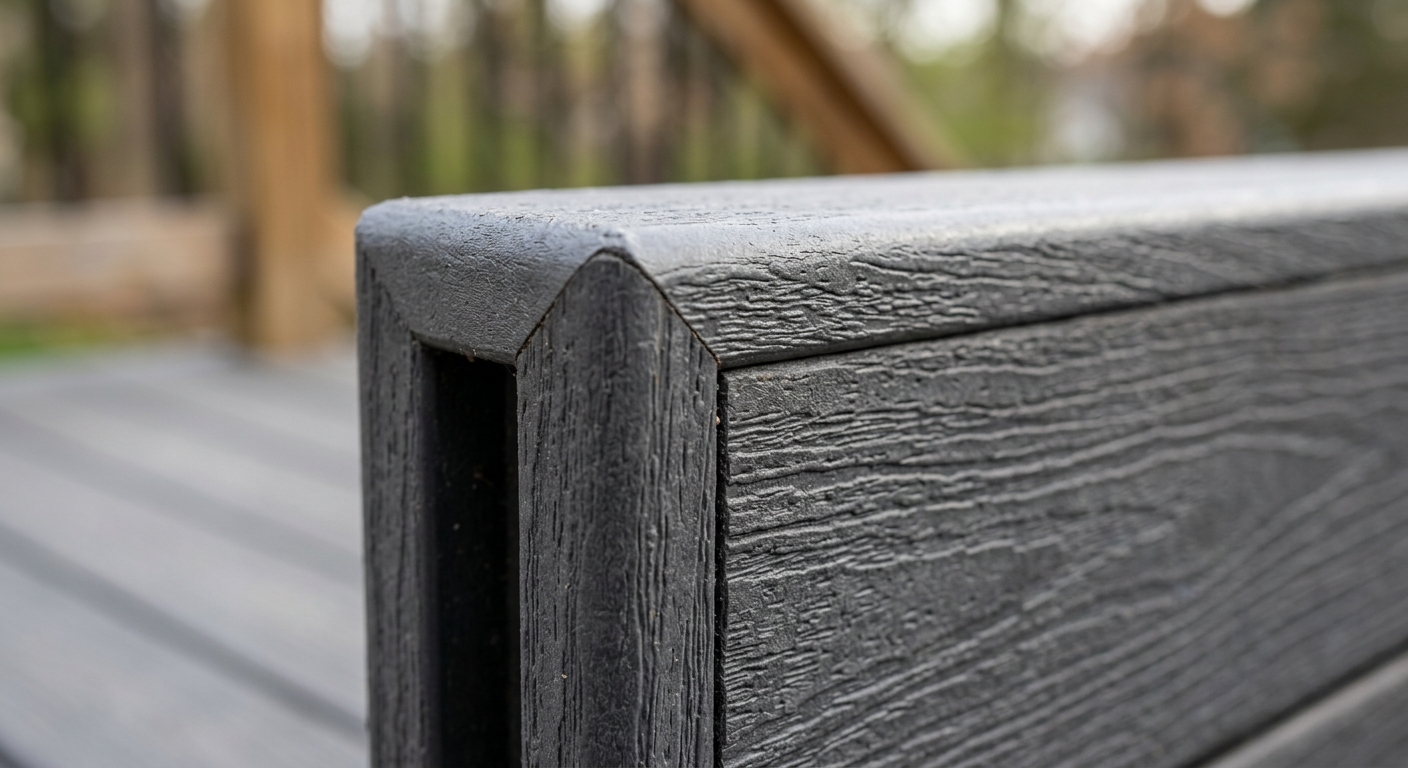
Composite decking — products like Trex, TimberTech, Fiberon, and AZEK — has become the dominant choice for new deck construction in the greater Seattle area for good reason. In a climate where a deck faces eight months of wet weather annually, the advantages of composite over wood are not marginal. They are decisive.
Composite decking does not rot. It does not check or warp from wet-dry cycling. It does not support mold growth the way untreated wood does. It does not require sealing, staining, or refinishing. A quality composite deck installed correctly in Burien in 2026 should look substantially the same in 2046 with nothing more than occasional cleaning. Most major composite manufacturers back their products with 25–30 year fade and stain warranties.
The tradeoff is upfront cost. Composite decking runs $75–$130 per square foot installed in South King County, versus $60–$90 for cedar. Over a 25-year horizon, when you factor in zero maintenance costs against cedar's sealing and eventual board replacement costs, composite usually comes out ahead. But the upfront number is higher, and that matters for budget planning.
For a detailed comparison of composite brands including Trex, Fiberon, and TimberTech, see /blog/trex-vs-fiberon-vs-timbertech-seattle and /blog/composite-vs-cedar-decking-seattle.
PVC Decking: Premium Low-Maintenance
PVC (polyvinyl chloride) decking — distinct from wood-composite boards — offers the ultimate in moisture resistance because there is no wood fiber content at all. AZEK is the market leader in PVC decking and produces a product that is genuinely impervious to moisture, mold, and insects. For waterfront Burien properties where salt air is a factor, PVC decking is worth serious consideration.
The cost premium over composite is real: budget $15–$30 per square foot more than composite for PVC material costs. But for Three Tree Point homeowners or anyone within half a mile of the Sound, the long-term performance advantage justifies the additional investment.
Material Comparison Table
| Material | Installed Cost (2026) | Lifespan | Maintenance Level | PNW Wet Climate Rating |
|---|---|---|---|---|
| Pressure-Treated Pine | $45–$70/sq ft | 10–15 years | High (annual/biennial seal) | Fair |
| Western Red Cedar | $60–$90/sq ft | 15–25 years | Medium (seal every 2–3 yrs) | Good |
| Composite (Trex, TimberTech, Fiberon) | $75–$130/sq ft | 25–30+ years | Low (clean only) | Excellent |
| PVC (AZEK) | $95–$150/sq ft | 30+ years | Very Low (clean only) | Excellent (best) |
| Ipe/Hardwood | $110–$180/sq ft | 25–40 years | Medium (annual oiling) | Very Good |
Tip
For ongoing composite maintenance guidance (spoiler: it's minimal), see /blog/composite-deck-maintenance-seattle.
2026 Deck Cost Breakdown: What to Budget in Burien and South King County
Cost is where homeowner expectations most often collide with reality. The deck cost calculators you find online are calibrated to national averages that consistently understate Seattle-metro pricing by 15–25%. A Burien deck project is not a Portland deck project, and it is certainly not a Phoenix deck project. Labor rates in King County are among the highest in the country, permit fees are real, and the structural requirements for sloped lots add engineering costs that flat-state calculators don't contemplate.
Here is what the numbers actually look like in 2026 for South King County projects.
Base Deck Construction Costs
For a standard attached deck on a relatively flat or gently sloped lot:
200 sq ft deck (basic, ground level to 18 inches above grade):
- Pressure-treated: $9,000–$14,000
- Western Red Cedar: $12,000–$18,000
- Composite (mid-range): $15,000–$26,000
Add for stairs (per flight): $1,500–$4,000 depending on height, width, and material
Add for railings:
- Wood: $50–$100 per linear foot
- Composite: $75–$120 per linear foot
- Cable: $100–$200 per linear foot (see /blog/cable-railing-seattle for cable railing specifics in Seattle's climate)
- Glass panel: $150–$250 per linear foot
For a 200 sq ft composite deck with one stair flight and 40 linear feet of cable railing, you are looking at a realistic total of $22,000–$35,000 in South King County under 2026 pricing. This is not a high-end boutique project. This is a standard mid-range deck in a normal Burien neighborhood.
See our complete cost guide at /deck-cost-seattle and the detailed breakdown at /blog/deck-cost-seattle-2025.
Elevated and Second-Story Deck Premiums
Any deck that exceeds approximately 30 inches above grade starts to carry structural premiums. The posts get longer, the footings go deeper, the bracing requirements increase, and the inspection process becomes more involved. For a full second-story deck — common on Burien hillside properties where the main living level sits 8–12 feet above the downslope grade — plan for the following adders:
- Extended posts and additional footings: $3,000–$8,000
- Lateral bracing and beam upgrades: $2,000–$5,000
- Engineering review (often required): $1,500–$3,500
- Overall premium vs. ground-level equivalent: 25–50% more
A second-story deck that would cost $18,000 at grade level might run $24,000–$27,000 on an elevated Burien hillside site. This is not contractor markup. It is the actual material, labor, and engineering cost of building a structure that is safe at height.
For more on elevated deck considerations, see /blog/deck-addition-seattle.
Hillside and Slope-Specific Cost Factors
Burien's topography — particularly in the Marine Hills, Three Tree Point, and the hillside corridors west of 1st Avenue South — creates site conditions that don't appear in any national cost calculator. Steep slopes affect deck construction in several ways:
Longer post spans: On a lot that drops 8 feet over the span of a deck, the downhill posts may need to be 10–14 feet long rather than 2–3 feet. This is more material, more labor, and more structural complexity.
Footing depth and complexity: King County soils vary considerably, and on steep slopes, footings often need to go deeper to reach competent bearing material. In some cases, a geotech report is required before the building department will accept the footing design.
Access and staging: Building on a steep Burien backyard lot is physically harder than building on a flat surface. Material staging, crew access, and concrete delivery are all more complicated, which means more labor hours.
Drainage design: A deck over a steep slope needs a drainage plan. Without one, water channeling under and around the deck can cause erosion that undermines the footings over time.
Budget an additional $3,000–$10,000 for hillside site premiums depending on slope severity. This is the range we actually see on Three Tree Point and Marine Hills projects.
Midpoint installed cost estimates for a 200 sq ft deck in Burien/South King County, excluding permits, stairs, and railings. Source: The Seattle Decking Company 2026 pricing data.
| Category | Value |
|---|---|
| Pressure-Treated | $11,500 |
| Western Red Cedar | $15,000 |
| Composite (Mid) | $20,500 |
| Composite (Premium) | $26,000 |
| PVC (AZEK) | $29,500 |
| Ipe Hardwood | $36,500 |
What Drives Cost Up: The Full List
To build an honest budget, understand that these line items exist and affect nearly every Burien project:
| Cost Category | Typical Range |
|---|---|
| Framing and structure (posts, beams, joists) | 30–35% of total |
| Decking material (boards) | 20–25% of total |
| Railings | 15–20% of total |
| Stairs | 10–15% of total |
| Permits and inspections | 5–10% of total |
| Footings and concrete | 5–10% of total |
| Hardware and fasteners | 3–5% of total |
| Design and engineering | 3–8% of total |
Timing: The 10–20% Savings Window
Burien homeowners who schedule deck projects for fall (October–November) or winter (December–February) consistently pay less than those who start in spring. The reason is simple: contractor demand in South King County drops significantly once the summer building season ends. Builders who are fully booked in June with two-month backlogs are available in November, and they are more willing to negotiate on labor costs. The savings range of 10–20% on total project cost is real and well-documented across the King County market.
The tradeoff is working in wet conditions, which experienced PNW contractors handle without issue but which does extend the project timeline and can affect certain finishes. Ask your contractor specifically about their winter-build protocols.
Ground-Level vs. Elevated Decks: Design Options for Burien Properties
The design of your deck should follow from two things: how your lot is configured, and how you intend to use the space. Burien's varied topography means homeowners here encounter a wider range of starting conditions than most Seattle neighborhoods, and the right design in Three Tree Point is completely different from the right design in a flat Sunnydale backyard.
Ground-Level Decks: The Accessible Option
A ground-level or low-level deck (less than 18 inches above grade) is the simplest and least expensive deck type. It does not require guardrails by code, permitting is either unnecessary or straightforward depending on size, and the structural requirements are the most manageable. For Burien lots with flat backyards — common in areas near downtown Burien and parts of Boulevard Park — a ground-level deck is a perfectly appropriate choice.
The design flexibility is real: ground-level decks can be larger, can wrap corners, and can incorporate built-in seating or planters with minimal structural complexity. They also have the most natural transition to lawn and garden space, which matters for Burien homeowners who use their outdoor space for multiple purposes.
The limitation is that a ground-level deck requires reasonably level ground to begin with. On a Burien hillside lot, a "ground-level" deck at the house door may be 8–10 feet above grade at the far edge — which puts it firmly in elevated deck territory.
Elevated and Second-Story Decks: The Hillside Solution
For the significant portion of Burien's housing stock that sits on sloped lots, an elevated deck is not a luxury choice — it is the only practical way to create usable outdoor space at the main living level. The back door of a ranch house on a Marine Hills lot opens at a level that may be 10–12 feet above the downslope grade. Building a ground-level platform below that point means stairs just to get to your outdoor space, and it sacrifices the view that makes the property worth the investment.
Elevated decks done right are structurally overbuilt in ways that ground-level decks are not, which is why they cost more. The framing inspection in the permit process is more rigorous, the post connections to the footings are more complex, and the ledger attachment to the house must be properly flashed and water-managed. When you see a neglected elevated deck that has started to fail, it is almost always because corners were cut at one of these stages.
We build elevated decks on South King County hillside lots regularly. The engineering is straightforward when it is done correctly, and the result — a level outdoor living space at the main floor elevation, with a clear Puget Sound view from the right Burien property — is genuinely transformative.
Multi-Level Decks
Multi-level designs are common on Burien properties where the slope demands it, or where homeowners want to define distinct outdoor zones — a dining area at the main floor level, a lower seating area at grade, connected by a staircase. Multi-level decks add complexity and cost (plan for $5,000–$15,000 more than a single-level equivalent), but they solve the slope problem elegantly and create outdoor spaces that feel intentional rather than improvised.
For curved and custom deck designs that respond to unusual lot shapes — common in Burien's older neighborhoods where lot geometry is not always rectangular — see /blog/custom-curved-decks-seattle.
Deck and Patio Combinations
Some Burien properties are well-suited to a hybrid approach: a deck at the main floor level transitioning via stairs to a patio at grade. This combination gives you the best of both worlds — a covered or open elevated deck for the primary living space, and a patio surface (pavers, concrete, or decomposed granite) at ground level for additional informal space. See /blog/deck-and-patio-combo-seattle for design examples and cost ranges.
Railing Options and Their Impact on Design
The railing system you choose has an outsized effect on the visual character of your deck and a real effect on cost. For Burien hillside properties with water views, the wrong railing can block the primary reason you built the elevated deck in the first place.
The main options for Burien homeowners:
Cable railing: Horizontal stainless steel cables between posts that preserve sightlines almost completely. This is the right choice for any Burien property with a view worth preserving. Cost: $100–$200/linear ft. Requires periodic tensioning (every few years) and is not suitable for properties with young children without additional safety precautions.
Glass panel railing: Frameless or post-supported glass panels. Maximum view preservation, clean modern aesthetic. Cost: $150–$250/linear ft. More expensive but genuinely striking on modern Burien properties.
Composite railing: Matches composite decking systems, low maintenance, solid appearance. Cost: $75–$120/linear ft.
Wood railing: Traditional, can be painted or stained. Highest maintenance of the options, not recommended for waterfront Burien sites. Cost: $50–$100/linear ft.
For full railing option details, see /blog/deck-railing-options-seattle and /blog/cable-railing-seattle.
How to Vet and Hire a Deck Builder in Burien WA
The Burien contractor market is not small. There are dozens of companies — from one-person operations to mid-size regional contractors — who will bid on a deck project in South King County. Sorting through them is not straightforward, and the signals homeowners typically use (online reviews, years in business, glossy websites) are imperfect proxies for what actually matters. Here is how we recommend thinking about contractor selection for a Burien deck project.
The Non-Negotiable Credentials
Before you get into price or project details, verify these:
Washington State contractor license: Every contractor working on a permitted project in Washington must hold a valid Washington State contractor license. You can verify any contractor's license at the Washington State Department of Labor & Industries website. Do not hire an unlicensed contractor. If a permit is required (and it almost certainly is for your project), an unlicensed contractor cannot pull it — which means either you pull the permit yourself (as the owner-builder, with all associated liability) or the work goes unpermitted.
General liability insurance: Minimum $1 million per occurrence. Request the certificate of insurance directly, not a verbal assurance. It should name your address as the project site.
Workers' compensation coverage: If the contractor has employees, they must carry WA state workers' comp. If something happens on your property and they don't have coverage, you may be exposed to liability.
Local permit pulling experience: Ask specifically whether they have pulled permits through MyBuildingPermit.com for Burien projects. Not all contractors are familiar with every jurisdiction's requirements, and Burien's process has specific submission standards.
Evaluating Experience in PNW Conditions
Beyond credentials, look for evidence that a contractor understands the specific conditions they will be building in. Ask:
- What composite decking brands do you work with, and why?
- How do you handle ledger flashing on a PNW house where the siding is fiber cement or cedar shake?
- What is your footing approach on a sloped Burien lot?
- Have you built elevated decks in Marine Hills or Three Tree Point?
The quality of the answers matters more than the resume length. A contractor who can speak specifically to ledger flashing and moisture management in a Puget Sound climate knows what they are doing. A contractor who gives you a generic answer about "high-quality materials" does not.
The Bid Process: What to Compare and What Not To
Get a minimum of three bids for any deck project over $15,000. But understand that a lower bid number does not mean a better deal — it often means a less complete scope, lower-quality materials, or a contractor who will add change orders once the project starts.
When comparing bids, look for:
- Line-item detail (materials by species or brand and grade, not just "composite decking")
- Permit costs explicitly included or explicitly excluded (if excluded, get a separate estimate)
- Footing specifications (number, diameter, depth)
- Structural material specification (post size, beam size, joist size and spacing)
- Hardware specification (joist hangers brand, fastener type, ledger connection method)
- Warranty terms on both materials and labor
A bid that does not specify these things cannot be accurately compared to one that does. You are not comparing apples to apples until you have the same level of detail from every bidder.
The NADRA Standard
The North American Deck and Railing Association (NADRA) is the industry association that sets professional standards for deck builders. NADRA membership is not a guarantee of quality, but it signals that a contractor takes their professional standing seriously enough to participate in the trade association that governs their industry. When comparing contractors of roughly equal apparent quality, NADRA membership is a reasonable tiebreaker.
Questions to Ask Your Shortlisted Contractors
- Can I see three completed projects in Burien or South King County similar to mine?
- Will you or a project manager be on-site daily during construction?
- How many projects do you run simultaneously, and who manages mine while you are elsewhere?
- What is your timeline estimate, including permit review, and what causes delays?
- How do you handle ledger flashing to prevent water intrusion at the house connection?
- What is your process if we encounter unexpected site conditions — rock, poor soils, buried utilities?
- What does your warranty cover, and for how long?
The answers to these questions will differentiate competent, experienced builders from contractors who will take your deposit and run late.
Key insight
Burien's Specific Neighborhoods and What They Mean for Your Deck
Burien is not topographically uniform, and the neighborhood you live in affects your deck project in concrete ways — the structural requirements, the permit complexity, the material choices, and even the HOA considerations if you are in a planned community. Here is a neighborhood-by-neighborhood breakdown of what we see on the ground.
Three Tree Point and Marine Hills: Waterfront and Near-Waterfront Conditions
The western edge of Burien — from Three Tree Point north through the Marine Hills neighborhood — presents the most demanding conditions for deck construction in the city. Properties here often sit on slopes running steeply toward the Sound, with views that justify the investment in an elevated deck but with site conditions that drive significant structural premiums.
Waterfront and near-waterfront properties in this corridor deal with:
Salt air: Accelerates corrosion of ferrous fasteners and deterioration of untreated wood. Stainless steel fasteners and hidden fastener systems are required, not optional. PVC or premium composite decking is strongly preferred.
Steep slopes: Many Marine Hills lots drop 20–30 feet over the rear yard. Elevated decks with 10–15 foot posts are common, and some projects require engineered drawings accepted by the building department before permit issuance.
Critical area buffers: Shoreline properties may be subject to Burien's critical area regulations and the Shoreline Management Act, which imposes setback requirements and may limit deck footprint. Check with the Burien Permit Center before designing a deck on a waterfront lot.
Views: The whole point of a Three Tree Point deck is the Puget Sound view. Cable or glass railings are not a luxury here — they are the only design that doesn't defeat the purpose of building the deck.
Budget for Three Tree Point and Marine Hills deck projects to run 30–50% above the standard Burien baseline.
Boulevard Park and Shorewood: Established Mid-Century Neighborhoods
These neighborhoods are the heart of old Burien — well-established residential areas with mid-century housing stock on relatively moderate lots. Deck replacement is the dominant project type here, as many homes have original wood decks that are reaching or past end-of-life.
Lot slopes in Boulevard Park and Shorewood vary: some lots are relatively flat, others have moderate rear-yard slopes that require elevated builds. The structural complexity is generally less than the waterfront corridor, and permit complexity is lower because critical area overlays are less common.
Composite decking in the Trex Select or Fiberon Goodlife tier is the typical specification for Boulevard Park and Shorewood replacement projects — good mid-range performance without the premium price of the top-line products.
Downtown Burien and Sunnydale: Urban and Mixed-Use Context
Properties in and around downtown Burien — including the Sunnydale neighborhood to the south — tend to have smaller lots and less dramatic topography. Deck projects here are often more modest in scale: a 150–250 square foot attached platform replacing an aging wood deck, or a new ground-level addition off a kitchen or living room.
HOA considerations are more relevant in some of the newer planned developments on the eastern edge of Burien, where community association rules may govern deck materials, colors, and railing styles. If you are in an HOA, get written approval before pulling permits — the HOA approval process and the city permit process are separate, and you need both.
Gregory Heights and Highline: Eastern Burien
The eastern portions of Burien — Gregory Heights, the Highline area adjacent to Highline Community College — are generally flatter and more suburban in character. Deck projects here are often straightforward: attached composite decks on relatively flat lots with standard structural requirements and no waterfront complications.
Cost ranges in eastern Burien tend to be at the lower end of the South King County range because site conditions are less demanding. A 200 sq ft composite deck in Gregory Heights might come in at $17,000–$22,000 all-in, versus $22,000–$30,000+ for a comparable project in Marine Hills with hillside site conditions.
Common Mistakes Burien Homeowners Make (and How to Avoid Them)
In fifteen-plus years of building decks in South King County, we have seen the same mistakes recur on projects that came to us for repair or rebuild after another contractor's work failed. Here are the most common, with specific guidance on how to avoid each.
Mistake 1: Skipping the Permit
Already covered in the permit section, but worth repeating with the specific Burien consequence: the city has become increasingly active about unpermitted structures, and the King County real estate market in 2026 is one where disclosures are scrutinized. An unpermitted deck that was tolerated for ten years can become a serious transaction problem when you go to sell. Pull the permit. It is not optional.
Mistake 2: Underspecifying the Ledger Connection
The ledger board — the board bolted to the house structure that carries the load from the deck back to the house — is the single element most likely to fail on a Pacific Northwest deck. The failure mode is water intrusion: if the ledger is not properly flashed, water infiltrates between the ledger and the house sheathing, begins rotting the rim joist and band joist, and eventually compromises both the deck connection and the house structure. In the wet Burien climate, this process can happen in five to seven years on an improperly detailed ledger.
Proper ledger flashing requires metal flashing that directs water away from the connection, sealant at penetrations, and a gap between the ledger and the house sheathing. It is not complicated, but it requires attention and time — two things that get cut when a contractor is moving fast. Specify ledger flashing explicitly in your contract and ask to see the work before it is covered by decking.
Mistake 3: Choosing Material Based on Upfront Cost Alone
The homeowner who installs pressure-treated decking because it saves $5,000 upfront on a Burien property that faces the Puget Sound, then spends $2,000 every three years on deck sealing and refinishing before ultimately replacing the boards at year 12 for $8,000, has not saved money. They have spent more than the composite option would have cost — and they have spent it in inconvenient increments spread over a decade of hassle.
Run a 20-year cost analysis before choosing your decking material. Composite products with 25-year warranties are the rational choice for the vast majority of Burien homeowners. The exceptions are legitimate: homeowners who genuinely love natural wood and will maintain it, or homeowners on tight upfront budgets who plan to replace within 10–15 years. If you are not one of those exceptions, choose composite.
Mistake 4: Not Getting Engineering on Hillside Lots
A deck on a steep Burien lot built without engineering review — even when the building department accepts it — is a risk. The permit reviewer is not an engineer conducting a site-specific structural analysis. They are reviewing your drawings for code compliance. If the drawings are adequate to pass review but the site conditions (soil bearing capacity, slope stability, adjacent structures) are different from what was assumed in the drawings, the structure may be permitted and still underbuilt.
For any elevated deck on a slope greater than approximately 20%, spend the $1,500–$3,500 on a structural engineer's review. It is a small fraction of total project cost and it is the only way to know with confidence that the structure is appropriately designed for your specific site.
Mistake 5: Not Budgeting for the Full Scope
The most common source of sticker shock on Burien deck projects is homeowners who budgeted for the decking boards and forgot to budget for the structure beneath them, the railings, the stairs, the permit, and the electrical if they want deck lighting. A budget built around "$15 per square foot for composite boards" is a fantasy budget — the boards are roughly 20–25% of total project cost. The full project is four to five times that number.
Get a complete, line-item proposal from your contractor before you commit. If the proposal does not break out materials, labor, permits, and the structural components separately, ask for the breakdown. You need to know what you are buying.
Mistake 6: Hiring Based on the Lowest Bid Without Scope Comparison
A bid that is 30% below the other two bids is not a bargain — it is a warning sign. Either the scope is incomplete, the materials are substituted to a lower grade, or the contractor is operating on margins that will require them to cut corners on-site to stay profitable. In South King County's construction market, legitimate competitiveness between qualified contractors produces bids that are within 10–20% of each other for the same scope. A 30–40% outlier almost always resolves as a problem at some point in the project.
How to Get the Most Value from Your Burien Deck Investment
A deck is a significant investment — for most Burien homeowners, it is the second or third largest home improvement project they will undertake. Getting maximum value from that investment requires thinking beyond the build itself to the design decisions, material choices, and timing factors that determine how the deck performs over its life and how it affects the home's value.
Think 20 Years, Not 5
The single most important mindset shift is extending your planning horizon. A composite deck built in 2026 should be fully functional and attractive in 2046. A cedar deck built in 2026 without a maintenance plan will be gray, checked, and potentially structurally compromised in 2036. When you evaluate the upfront cost premium for composite, you are actually buying 20 years of maintenance-free outdoor living. That is a good trade at the price difference that currently exists in the South King County market.
Structural Investment Pays Better Than Cosmetic Upgrades
Within a fixed budget, prioritize the structural components. A deck with a well-engineered substructure, proper ledger flashing, correctly sized footings, and quality pressure-treated framing will outlast a deck with the same composite surface boards over a substructure that was built to minimum code. The decking boards people see and touch represent maybe 25% of the structural investment. The 75% below the boards is where longevity is determined.
Railing Is the Most Visible Design Element
After the decking material itself, the railing is what gives a deck its visual character. For Burien properties with any kind of view, spending more on cable or glass railing — versus blocking that view with a solid wood or composite rail — is one of the better value decisions available. The cost premium for cable railing over wood is approximately $50–$100 per linear foot, and the design improvement is profound.
Lighting Adds Year-Round Use
Burien gets dark in winter — really dark, with sunset before 4:30 PM in December. A deck without lighting is effectively unusable for most of the fall and winter season. Post cap lights, recessed deck lights, and under-rail LED strips are all cost-effective additions at the time of construction (electrical rough-in during the build is far cheaper than adding it later) and they meaningfully extend the seasonal use window for your outdoor space.
See /blog/deck-and-patio-combo-seattle for examples of how lighting is integrated into complete outdoor living designs.
Resale Value: What the Data Says
The NAR Remodeling Impact Report consistently shows that new wood decks recover 60–80% of their cost at resale, and composite decks recover 65–75%. In a market like Burien, where outdoor living space is genuinely valued and competing homes without decks or with deteriorated decks are at a disadvantage, these national averages likely understate the local impact. A well-built composite deck on a Burien home is not just a lifestyle improvement — it is a verifiable selling point.
What kills resale value is a deck that shows its age: gray cedar boards, loose railings, rotted post bases, a ledger that has clearly admitted water. A maintained or new composite deck that looks good signals to buyers that the home has been cared for. An aging deck in poor condition does the opposite.
Consider the Deck as Part of the Whole Outdoor System
The most enduring outdoor living investments in Burien integrate the deck with the broader landscape: drainage that moves water away from the structure, landscaping that frames the space, a connection between the deck and the yard that is planned rather than accidental. Homeowners who think about the deck in isolation — as a platform bolted to the house — end up with something that functions but doesn't feel complete. Homeowners who think about the outdoor living zone as a whole end up with something genuinely special.
If your property has the potential for a combined deck and outdoor living zone, read through /blog/deck-and-patio-combo-seattle before you finalize your design. The combination of an elevated deck with a connected ground-level patio, tied together with thoughtful planting and drainage design, is the kind of project that gets used year-round and holds its value indefinitely.
Tip
Why Work with a Local South King County Deck Builder
There is a reason we emphasize local expertise throughout this guide. Building a deck in Burien is not the same as building one in Renton, Federal Way, or Tacoma — even though those cities are relatively close. The specific permit process, the soil conditions, the microclimate differences between a hillside lot with Sound exposure and a sheltered inland yard, the HOA overlays in specific subdivisions — these are details that local experience produces and that a contractor working primarily in other markets does not carry.
The Seattle Decking Company builds decks throughout South King County, including Burien, Normandy Park, Des Moines, SeaTac, and White Center. We know the Burien Permit Center's requirements for MyBuildingPermit.com submissions. We have built on Three Tree Point lots with steep slopes and salt air exposure. We know what the building department inspector looks for at framing inspection in Burien, and we build to those standards from the start rather than scrambling to correct deficiencies.
We also know the materials that hold up here. The composite products we specify — Trex Transcend, TimberTech Legacy, Fiberon Paramount — are products we have tracked through PNW winters for ten-plus years. We know which products perform as warranted and which manufacturer claims don't fully survive contact with real Pacific Northwest conditions.
If you are a Burien homeowner starting to plan a deck project, we would like to be part of the conversation from the beginning — before scope is set, before you have preconceptions about what the project should cost or look like. Early involvement lets us flag site-specific issues before they become change orders, and it lets us help you design something that is actually right for your lot and your family.
Call us at (425) 675-6259 to schedule a consultation, or reach out through our website at /contact. We serve Burien and all of South King County, and we are happy to come out for an initial site visit at no charge for projects that are a good fit for our scope. Our office is at 22722 29th Drive SE, Bothell, WA 98021, and we have been building across the King County market long enough to have a clear track record on projects very similar to what you are planning.
Frequently Asked Questions
Do I need a permit to build a deck in Burien, WA?
How much does it cost to build a deck in Burien in 2026?
What is the best decking material for Burien's wet climate?
How long does it take to build a deck in Burien?
What is the difference between composite and PVC decking?
Can I build a deck on a steep hillside lot in Burien?
How do I find a reputable deck builder in Burien?
Are there HOA restrictions on decks in Burien?
What is the best time of year to build a deck in Burien?
How do I maintain a composite deck in Burien's climate?
What is the ROI on a deck addition in Burien?
What permits does The Seattle Decking Company pull for Burien projects?
Planning a deck in the Seattle area?
Get an onsite design review and a clear, itemized quote from a licensed local builder.
Request a Free Quote